
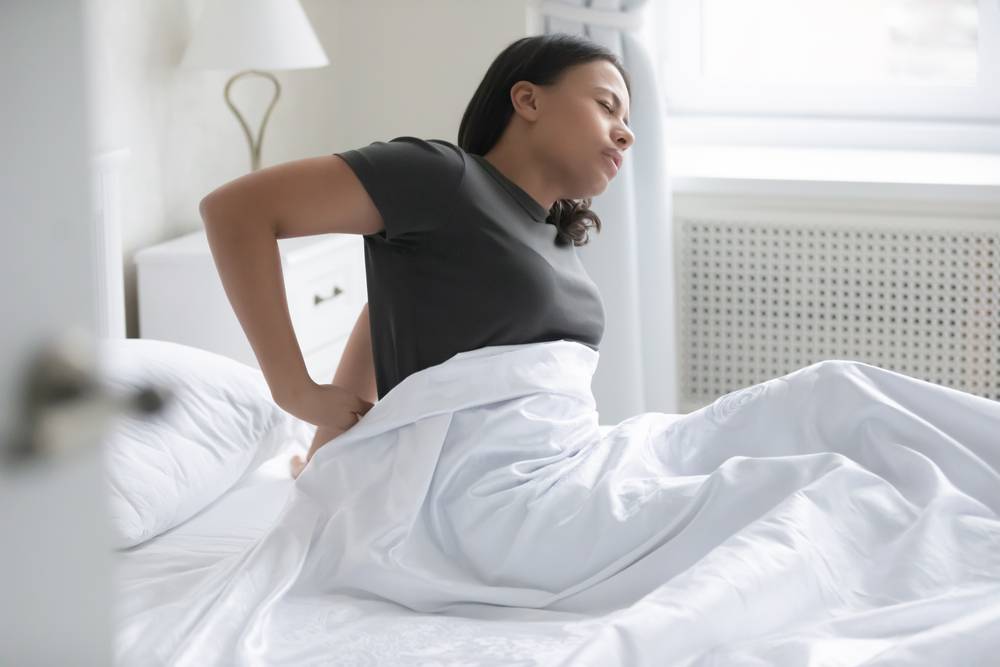
Imagine you settle in for a good night’s sleep only to realize the quiet struggle against the throbbing ache in your lower back. The comfort of your bed can feel like a battleground, each shift and turn met with a subtle protest from your lower back. As you attempt to get as much rest as possible before the next day begins, you might wonder about the best sleeping positions for lower back pain. Let’s explore tips and tricks for how to sleep with lower back pain and how to know when it’s time to talk to your doctor so you can experience long-lasting relief and a restful night’s sleep.
Best Sleeping Positions for Lower Back Pain
Lower back pain can make something as simple as lying down feel like a chore, and many people aren’t sure where to begin when learning how to sleep with lower back pain. Whether your discomfort is new or chronic, nighttime habits play a major role in how your spine feels when you finally crawl into bed. Understanding how to sleep when your lower back hurts can help you wake up less stiff, less sore, and more rested.
For many people, nighttime is when pain shows up the most. Muscles relax, pressure shifts, and previously unnoticed tension becomes impossible to ignore. When you don’t know how to sleep with pain in your lower back, you may toss and turn for hours, which only makes the pain worse the next day. Thankfully, small but intentional tweaks to your sleep environment and routine can dramatically reduce discomfort.
How Sleep Positions Affect the Lower Back
Learning how to sleep with low back pain often starts with examining your posture throughout the night. The spine has three natural curves, and maintaining those curves is key to avoiding unnecessary strain. When the lower back collapses, twists, or hyperextends during sleep, muscles tighten, and nerves may become irritated. Over time, poor sleep posture can even contribute to recurring pain patterns.
Even if you’ve slept in the same position for years, your lower back may now require a new approach. It may take a few nights or even a few weeks to adjust to a different sleeping style. But your spine will thank you. You may need to try out a few different options to find the most comfortable sleep position for lower back pain after an accident. Check out these strategies for lower back pain sleeping positions depending on your preferred sleep style.
Side Sleepers
If you prefer sleeping on your side, you might find that sleeping in the fetal position with a pillow between your knees may help relieve your lower back pain. While sleeping on your side, place a pillow or rolled-up towel between your knees to align your hips and prevent your spine from twisting. This helps to reduce strain on the lower back and alleviate your discomfort so you can rest.
Tips for Side Sleepers
Side sleeping is often considered the most supportive option when dealing with lumbar discomfort, but it must be done correctly. If your knees collapse toward each other or twist your hips, you may wake with more pain than when you went to bed. Placing a supportive pillow between your knees reduces rotation in your pelvis, which is one of the biggest contributors to nighttime lumbar irritation. If you’re learning how to sleep with a bad back, try experimenting with different pillow heights or firmness levels. If you have one that’s too soft, then it won’t stabilize your hips; too firm and it may push them out of alignment.
Back Sleepers
If you prefer to sleep on your back, you will want to incorporate strategies to help maintain the natural curve of your spine. Lie on your back and place a pillow or rolled-up towel under your knees to help support this natural curve to the lower back while you sleep. This can also help reduce pressure on your lower back from the natural weight of your abdomen pressing on your spine.
Tips for Back Sleepers
If you prefer lying flat, the placement of your knees is key. Elevating your legs slightly decreases the pull on your psoas muscles, which is a common source of lower back tightness. This positioning also allows the spine to rest closer to its neutral curve, which makes it one of the most effective strategies for anyone researching how to ease lower back pain while sleeping. A lumbar-support pillow or a rolled towel behind your lower back can further reduce stress on the spine. Just make sure the support feels natural and doesn’t cause your pelvis to tilt forward or backward.
Stomach Sleepers
If you prefer sleeping on your stomach, try placing a pillow under your pelvis and lower abdomen area. This can help maintain the natural curve of your spine and reduce strain on your lower back. Choosing a proper mattress and pillow can also help you maintain a neutral posture while you sleep.
Tips for Stomach Sleepers
Stomach sleeping is tough on the back, but some people simply can’t sleep comfortably any other way. If this is you, the key is minimizing extension in the lumbar spine. A small pillow underneath your hips shifts pressure upward and prevents your lower back from sagging. This adjustment alone can help significantly if you’re trying to learn how to help lower back pain while sleeping.
Common Causes of Lower Back Pain
Various factors can cause lower back pain, and its impact on sleep can be significant. Here are some common causes of lower back pain and reasons why it might disturb your sleep:
- Muscle Strain or Sprain: Overexertion, lifting heavy objects, or sudden movements can lead to muscle strain or sprain in the lower back. The discomfort may intensify when lying down, making it challenging to find a comfortable sleep position.
- Herniated Disc: A herniated or slipped disc occurs when the soft gel-like center of a spinal disc protrudes through the outer layer. This can irritate nearby nerves, causing lower back pain that may be more noticeable when lying down.
- Spinal Stenosis: Spinal stenosis is a condition where the spinal canal narrows, putting pressure on the spinal cord and nerves. This can result in lower back pain that worsens with certain positions, including lying down.
- Osteoarthritis: Osteoarthritis is the most common type of arthritis and a degenerative joint disease, and it can affect the lower back. You may notice an increase in pain and stiffness when trying to rest, such as when lying in bed.
- Scoliosis: Scoliosis is an abnormal curvature of the spine. Depending on the severity, it can lead to lower back pain that may interfere with your sleep quality.
- Poor Posture: Maintaining improper posture, both during daily activities and while sleeping, can contribute to lower back pain. Inadequate support for the spine throughout your day can worsen discomfort at night when your muscles are stiff and tense from compensating for poor posture.
- Sleeping Position: Certain sleeping positions may strain the lower back or worsen existing conditions. For example, sleeping on your stomach can lead to hyperextension of the spine and lower back pain while sleeping.
- Sciatica: Sciatica occurs when the sciatic nerve is compressed or irritated, leading to pain that radiates down the buttock, hip, and leg. This discomfort may be more noticeable when lying down.
Treating Lower Back Pain & Improving Sleep Quality

Treating the source of low back pain is crucial for alleviating discomfort and improving your sleep quality and overall health. Finding and treating the source of your lower back pain can lead to better sleep quality by reducing interruptions and discomfort during the night. Your Conyers chiropractor can provide you with an all-natural, personalized treatment plan to address the cause of your lower back pain and help you experience an improved quality of life. Here are three techniques your chiropractor may utilize to help alleviate your lower back pain.
Spinal Adjustments
Chiropractic adjustments involve manual manipulation of the spine to realign vertebrae and joints. By applying gentle and controlled force to specific areas, chiropractors aim to improve spinal mobility, reduce inflammation, and alleviate pressure on nearby nerves. This can contribute to pain relief and improved function in the lower back so you can get a better night’s sleep.
Therapeutic Exercises
Your Conyers chiropractor may also prescribe targeted stretches and exercises to strengthen the muscles supporting the lower back. These exercises help enhance flexibility, stability, and overall core strength, which can contribute to better posture and reduced strain on the lower back. Customized exercise plans may be tailored to your specific condition and needs based on the cause and severity of your lower back pain.
Soft Tissue Techniques
Chiropractors may use various soft tissue techniques, such as massage, stretching, or trigger point therapy, to address muscle tension and promote relaxation. These methods aim to release tightness in the muscles surrounding the lower back, helping to reduce pain and improve overall flexibility.
Choosing the Right Mattress for Lumbar Pain
A common problem people overlook when figuring out how to sleep with lower back pain is the condition of their mattress. A mattress doesn’t have to be old to be unsupportive; sometimes even new mattresses lack the firmness or structure your spine needs.
While people have various preferences when it comes to their mattresses, research generally shows that medium-firm mattresses tend to offer the most relief for lumbar-related sleep issues. A mattress that is too plush may cause your hips to sink too deeply, while a mattress that is too rigid may create pressure points that worsen pain.
Pillows Matter More Than You Think
Pillows don’t just support your head; they also help to stabilize your entire spine. A pillow that’s too high or too low can affect your neck and shoulders, which in turn influences the lower back. You may need to test several designs, such as memory foam or cervical contour pillows, to determine which offers the most consistent support.
Stretching Before Bed
One of the most overlooked strategies for how to sleep with a painful lower back is creating a nightly stretching routine. Light mobility work, even just 5 to 10 minutes, can help loosen muscles that tighten throughout the day. Effective stretches for lower back pain before bed can include:
- Child’s pose
- Knee-to-chest stretches
- Piriformis stretches
- Cat/cow movements
- Hip flexor stretches
These stretches help relieve tension that builds up from sitting, driving, or standing for long periods. Muscles that are more relaxed before bed are less likely to spasm during the night.
Heat and Cold Therapy Before Bed
If falling asleep is difficult because your lumbar area feels tense or inflamed, heat therapy can help relax muscles and soothe tight tissue. A warm bath, heating pad, or warm compress applied for 10–15 minutes can make a noticeable difference. Applying an ice pack can also be effective if your pain is sharp, inflamed, or related to an acute injury. You can alternate between heat and ice depending on what your chiropractor recommends.
What Not to Do When Your Back Hurts at Night
As important as it is to know how to sleep when your lower back hurts, knowing what to avoid is equally valuable. These habits can increase pressure on joints and muscles, worsening nighttime pain.
Try to avoid:
- Falling asleep on the couch in awkward positions
- Using overly soft, sagging mattresses
- Sleeping with too many pillows under your head
- Twisting your spine while turning or exiting the bed
- Sleeping in one position for too long
When Lower Back Pain Disrupts Your Sleep Every Night
Occasional discomfort is common, but if lower back pain prevents you from sleeping well for more than a week or two, it’s time to get evaluated. Chiropractic care is one of the most effective, non-invasive options for improving sleep quality by addressing the root cause of the pain. Your chiropractor can help pinpoint why lying down triggers symptoms and guide you on how to sleep with lower back pain based on your exact condition.
AICA Conyers for Lower Back Pain Relief
Visit AICA Orthopedics in Conyers to experience lasting relief from lower back pain so you can get a good night’s sleep again. Our team of spine specialists includes orthopedic doctors, chiropractors, and physical therapists who work together to provide you with comprehensive treatment for a wide range of injuries and conditions. Don’t let lower back pain keep you from getting quality sleep. Get started with an AICA Conyers chiropractor today to find out the source of your pain and improve your overall quality of life.